Market Development Trends of Jewelry Faceting Machines
The jewelry industry has long relied on precision tools to transform raw gemstones into brilliant, market-ready gems. Among these, jewelry faceting machines are indispensable for cutting and polishing gemstones with accuracy and consistency. As global demand for personalized and high-quality jewelry continues to rise, the market for faceting machines is witnessing dynamic changes that reflect broader technological, economic, and consumer trends.
One of the most significant developments in the market is the integration of digital technologies. Traditional faceting machines required considerable manual skill and experience to produce high-quality gems. However, the advent of computer-aided design (CAD) and computer numerical control (CNC) systems has revolutionized the process. Modern faceting machines now often include digital controls, automated angle settings, and software-driven precision that reduce human error and increase production efficiency. This shift not only enhances output quality but also lowers the entry barrier for novice lapidaries.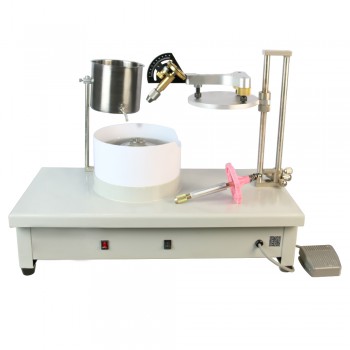
Another notable trend is the growing demand for miniaturized and portable faceting machines. As hobbyist gem cutters and small-scale jewelers become more prevalent, there is a rising need for compact, affordable, and user-friendly machines. Manufacturers are responding with products that are easier to operate and maintain, often with modular designs that allow for upgrades. This trend not only expands the customer base but also encourages new enthusiasts to explore gemstone cutting as a craft and profession.
Sustainability has also become a key factor influencing market development. Eco-conscious consumers and jewelers are increasingly prioritizing tools and processes that minimize waste and energy consumption. Faceting machines with energy-efficient motors, low-waste cutting systems, and recyclable components are gaining traction. Some manufacturers are further incorporating water-saving polishing systems, which address concerns about resource usage in gem processing.
Geographically, the market is experiencing shifts in regional demand. Traditionally strong markets such as North America and Europe continue to show steady growth due to established jewelry industries and high consumer spending. However, regions like Asia-Pacific and Latin America are emerging as fast-growing markets, driven by rising disposable incomes and cultural affinity for gemstone jewelry. China, India, and Brazil, in particular, are seeing increased adoption of advanced faceting technologies, both in industrial settings and among independent artisans.
Lastly, the market is becoming more competitive as technological differentiation and service offerings become critical selling points. Leading manufacturers are investing in research and development to introduce advanced features such as real-time quality monitoring, touch-screen interfaces, and integrated training modules. In addition to hardware, after-sales support, online tutorials, and community-building platforms are becoming valuable assets that foster brand loyalty and customer satisfaction.
In summary, the market for jewelry faceting machines is evolving rapidly under the influence of digital innovation, shifting consumer preferences, sustainability concerns, and global economic changes. As both professional jewelers and hobbyists seek greater precision, convenience, and value, the industry is poised for sustained growth and diversification in the years to come.
https://www.jewelerstoolsmall.com/goods-1552.html


Comments
Post a Comment