The Role of Polishers in Jewelry Restoration
In the world of jewelry restoration, few tools are as essential—or as underestimated—as the polisher. While gemstones and precious metals often take center stage, it is the meticulous work done by polishers that ultimately brings restored pieces back to life. Whether a client brings in a tarnished heirloom necklace or a vintage ring dulled by decades of wear, polishing is the transformative step that reveals the craftsmanship beneath the surface.
Jewelry buffer polishers play a critical role in removing scratches, oxidation, and blemishes that accumulate over time. Restoration experts rely on a variety of polishing tools—from bench-mounted motors to handheld micro-polishers—each designed to handle specific materials and levels of delicacy. For example, soft precious metals like gold require a gentler touch, while platinum or stainless steel can withstand more aggressive buffing. The choice of polishing wheels, compounds, and speeds affects not only the shine but also the integrity of the jewelry.
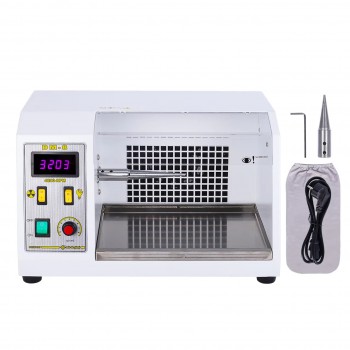
A skilled jeweler understands that polishing is not simply about creating a mirror-like finish; it is about preserving the character of the piece. Over-polishing can soften edges, erase engravings, or reduce metal thickness. That’s why professional restoration always begins with an assessment of the jewelry’s structure. Fine details, such as milgrain patterns or hand-carved textures, must be protected throughout the process. Strategic masking or the use of precision polishing tips helps maintain these original design elements while still restoring brilliance.
Beyond aesthetics, polishing also enhances the longevity of jewelry. Smoother surfaces reduce friction and prevent dirt buildup, which in turn protects gemstones and settings from unnecessary wear. In restoration projects involving antique pieces, polishing is often combined with cleaning, stone tightening, and minor repairs to ensure the jewelry can be safely worn once again.
Modern restoration studios increasingly rely on advanced polishing technologies, such as variable-speed motors and specialized compounds tailored for different alloys. These innovations allow jewelers to achieve highly controlled results with minimal metal loss. However, no matter how advanced the equipment becomes, the real artistry lies in the jeweler’s hands. The subtle pressure adjustments, the choice of technique, and the ability to read the material all determine the success of the restoration.
Ultimately, polishers serve as the bridge between a jewelry piece’s past and its renewed future. They reveal hidden beauty, honor the original craftsmanship, and ensure that treasured pieces continue to shine for years to come. For anyone passionate about preserving history through jewelry, understanding the vital role of polishers is essential—and often the key to achieving truly stunning restoration results.


Comments
Post a Comment